Blogs
Insights, research and updates on Activated Carbon & Anthracite Coal Markets
ACTIVATED CARBON
By laxmi-international-admin
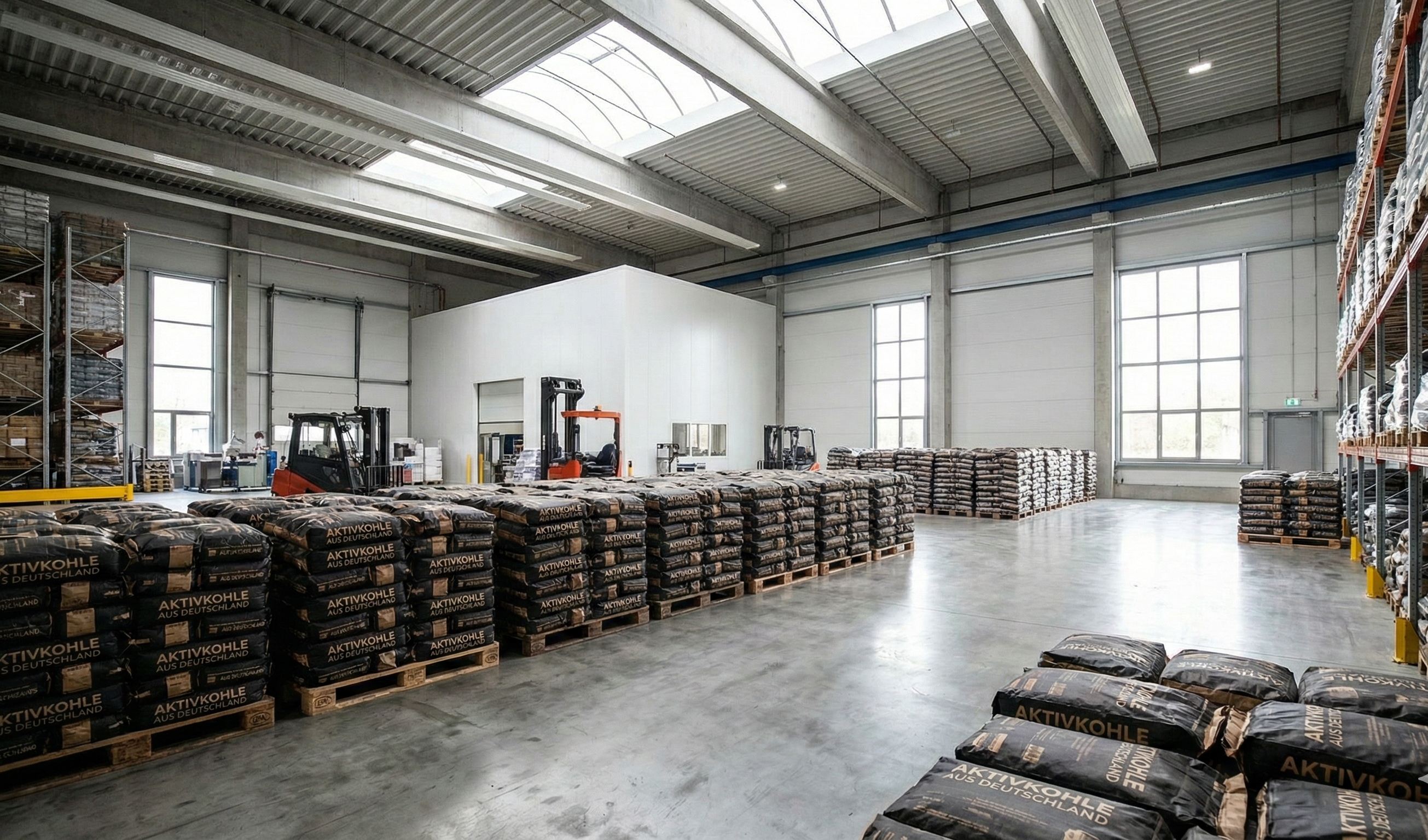
Germany has long been recognized as a leader in engineering and industrial technologies,
making it a prime market for
high-quality filtration media such as activated carbon.
Industries in Germany demand consistent performance, strict
purity levels, and reliable supply chains to support water treatment, chemical processing,
environmental filtration, and
municipal applications
//
ACTIVATED CARBON
By laxmi-international-admin
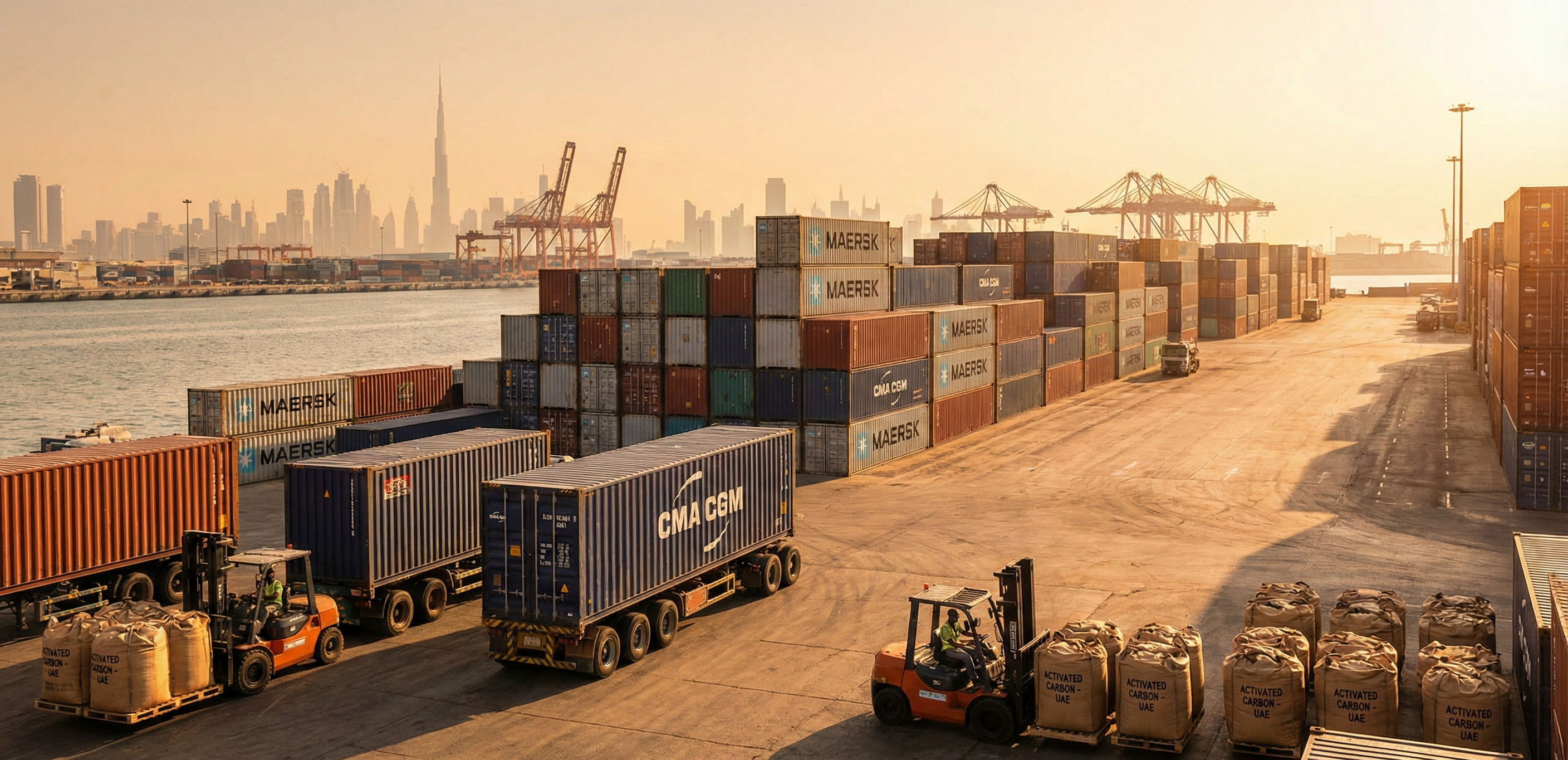
The UAE has become a rapidly growing market for activated carbon due to its expanding industrial
sector and large-scale
water treatment initiatives.
As Dubai continues to strengthen its position as a global business hub, demand for
high-quality filtration media has increased across industries such as desalination, food
processing, and environmental
purification.
//
ACTIVATED CARBON
By laxmi-international-admin
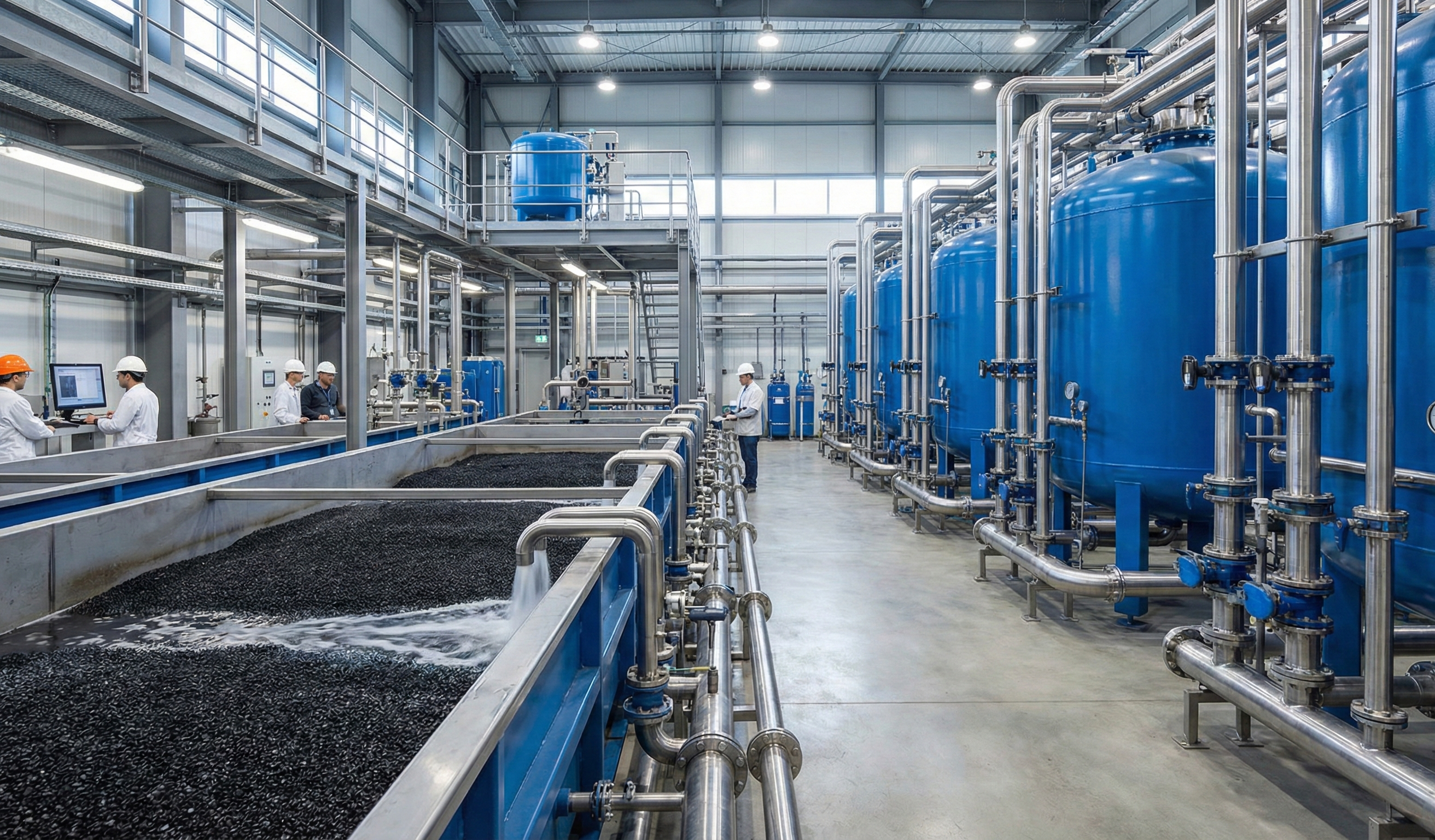
In water treatment plants, granular activated carbon (GAC) is typically used in fixed-bed filters
due to its ability to
withstand continuous flow. Its pore structure captures dissolved organic matter and chemical
residues, improving water
clarity and safety.
Laxmi International supplies GAC grades engineered specifically for long bed life, uniform
particle
size, and reduced pressure drop, ensuring optimal filtration performance in a variety of plant
configurations.
//
ACTIVATED CARBON
By laxmi-international-admin
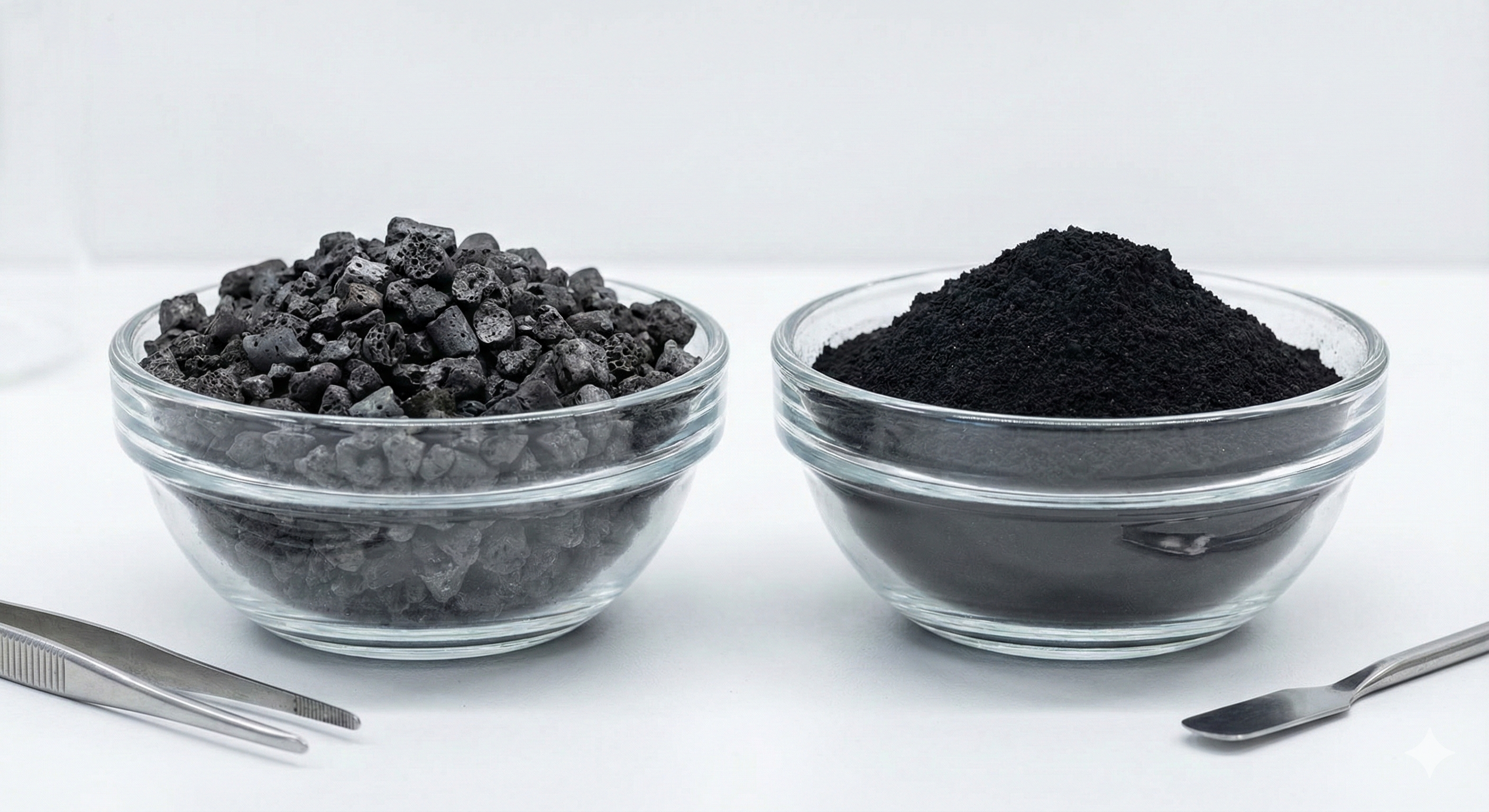
Granular Activated Carbon (GAC) and Powdered Activated Carbon (PAC) serve distinct roles in
filtration. GAC is formed
into larger particles and placed in fixed-bed filters, providing long contact time and easy
regeneration options.
PAC is finely ground, dosed directly into liquids for rapid adsorption and is typically removed
by clarification or filtration
after treatment.
//
ACTIVATED CARBON
By laxmi-international-admin
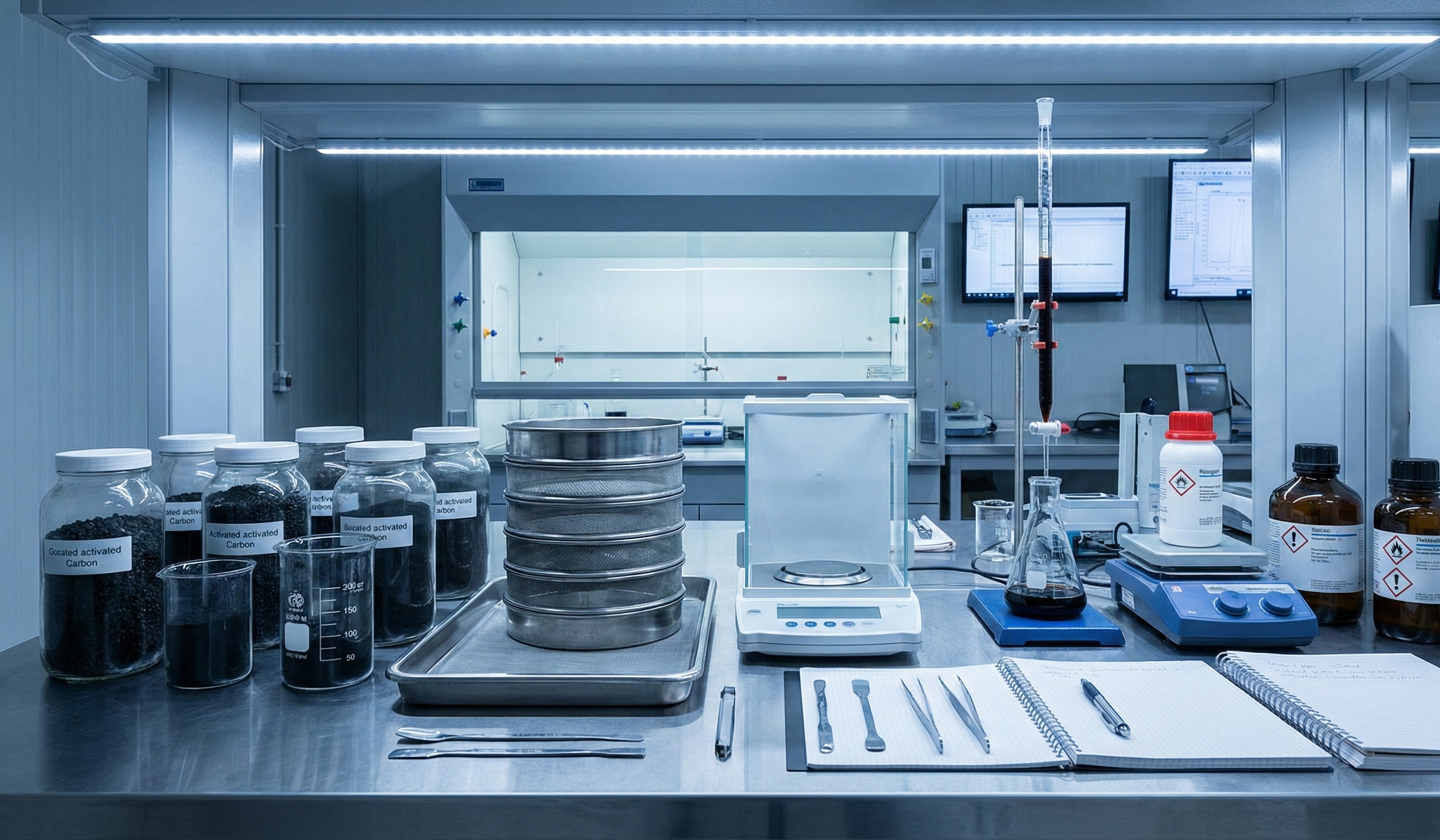
Practical selection also accounts for ash content, hardness/attrition resistance, and the likely
fouling compounds
present in the feed water. High-ash carbons reduce adsorption capacity and can increase
turbidity; hardness influences
bed longevity and pressure drop.
Laxmi International provides COA documents and pilot samples so buyers can verify
performance under real conditions before committing to large orders.
//
ACTIVATED CARBON
By laxmi-international-admin
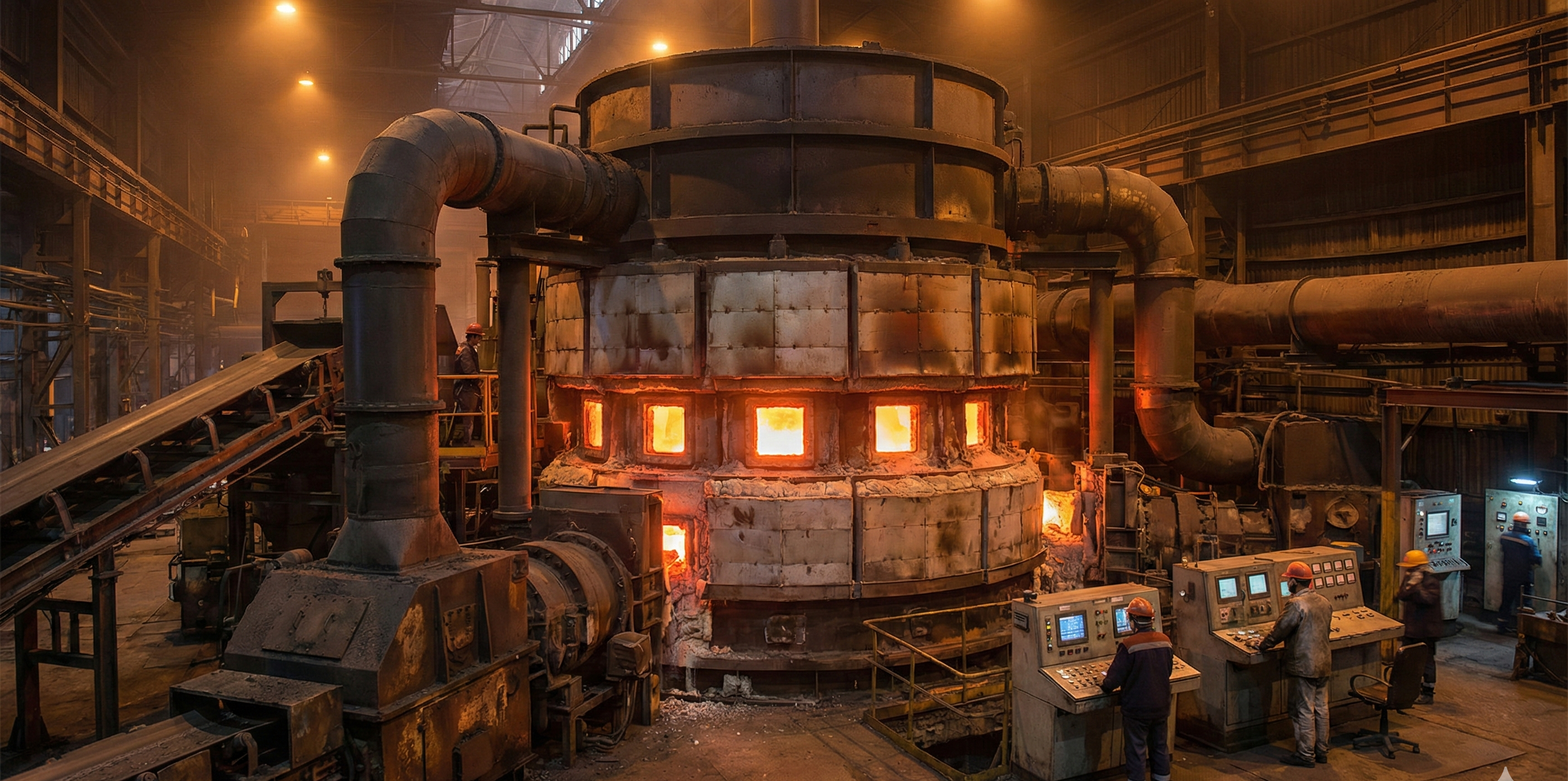
Regenerating spent activated carbon restores adsorption capacity and reduces lifecycle costs and
waste. Thermal
reactivation is the most common industrial method: spent carbon is heated in controlled
oxygen-free conditions to desorb
adsorbed organics and restore porosity. Chemical and biological reactivation methods exist but
are more specialized and
applied to specific contaminant types.
//